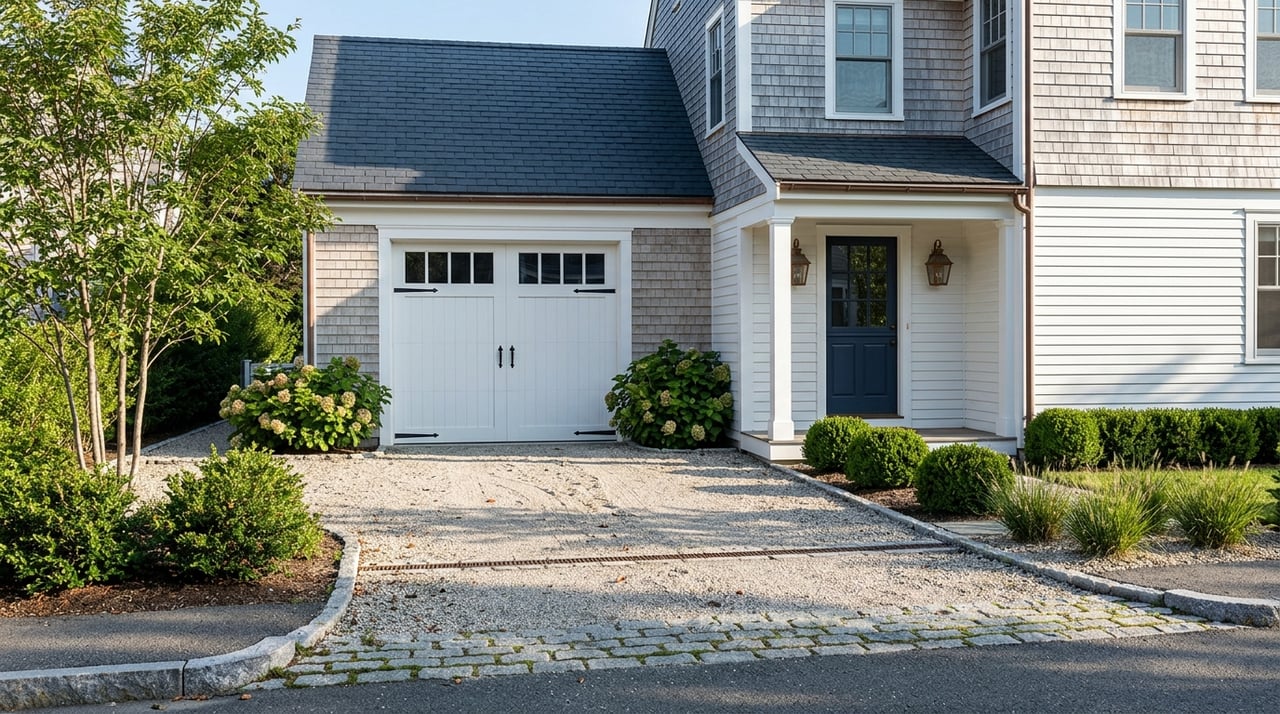
If you are choosing between Scituate and Hingham, you are really choosing between two different versions of coastal living. Both towns offer shoreline, strong owner-occupied housing patterns, and competitive markets, but the day-to-day experience can feel very different depending on what matters most to you. This guide will help you compare pricing, housing stock, beach access, commute options, and overall lifestyle so you can make a more confident decision. Let’s dive in.
Scituate vs. Hingham at a Glance
For many buyers, the biggest difference is simple: Hingham is the closer-in, higher-priced option, while Scituate leans more beach-oriented and seasonal.
According to the Town of Hingham, Hingham is about 15 miles south of Boston. Scituate is farther down the South Shore, with the same Hingham source noting the location difference that helps shape each town’s feel. In practice, Hingham often feels more like a Boston-adjacent coastal suburb, while Scituate feels more like a seaside destination town with a stronger summer rhythm.
That difference does not make one better than the other. It simply means your best fit depends on whether you prioritize commute flexibility, beach access, housing style, or the overall pace of life.
Pricing and Housing Stock
Hingham housing profile
Hingham tends to sit in a higher price tier. Census data cited in the town’s Housing Plan show a median owner-occupied value of $1,134,200 and an owner-occupied share of 80.7 percent.
The same plan describes Hingham as still largely single-family, but with a more visible condo and apartment component in areas like the Shipyard and other larger developments. If you want a coastal setting with some attached housing options mixed in, Hingham may offer a broader range than buyers sometimes expect.
Another important point in Hingham is historic review. The town has six historic districts, and exterior changes to properties within those districts may be reviewed by the Historic Districts Commission. If you are buying with renovation plans in mind, that detail should be part of your decision-making early on.
Scituate housing profile
Scituate’s housing stock reads more clearly as detached-home coastal living. The town’s community profile says about 18,000 people live there year-round, with summer population increasing to about 30,000.
That same source notes that about 83 percent of the housing stock is single-family, the median age of a house is 56 years, and nearly 10 percent of housing is seasonal. The town also reports that most multi-family housing is concentrated in Scituate Harbor or along the North River.
For you as a buyer, that often means Scituate can offer a more traditional coastal housing mix with a strong single-family presence and a more noticeable second-home or seasonal-home influence. It also helps explain why some parts of town feel especially active in the warmer months.
Beach Access and Waterfront Lifestyle
Scituate is more beach-focused
If direct beach access is high on your list, Scituate has the stronger beach identity. The town’s Harbormaster information describes five beaches, a large sheltered harbor, commercial fishing, and an active boating culture. The town also notes six oceanfront beach areas with seven designated swimming areas.
This is one of the clearest lifestyle distinctions between the two towns. In Scituate, the beach is not just an amenity. It is a central part of the town’s identity and daily rhythm.
Scituate Harbor also adds to that appeal. The town’s Scituate Harbor overview describes a mixed-use village with shops, restaurants, waterfront activity, and housing above storefronts. If you picture walkable harbor energy paired with a true seaside atmosphere, Scituate often aligns with that vision.
Hingham is more harbor-and-park oriented
Hingham offers meaningful waterfront access too, but the experience is different. The Town of Hingham says the town has 21 miles of shoreline, yet its master planning materials identify Bathing Beach as the only public beach maintained by the town.
Instead of a beach-heavy identity, Hingham’s water access is paired with parks, harbor views, and broader outdoor recreation. The town highlights places like Worlds End, Bare Cove Park, the harbor area, and access to Wompatuck State Park.
If your idea of coastal living is less about multiple beach areas and more about harbor scenery, walking trails, open space, and a polished town-center feel, Hingham may be the better match.
Commute and Daily Convenience
Hingham offers more commute options
If you expect to travel regularly to Boston or want flexibility in how you get there, Hingham stands out. The town’s Transportation Information page notes access to Route 3, MBTA Greenbush commuter rail, commuter boat service to Rowes Wharf, and bus connections to Quincy Station and the ferry terminal.
That variety matters. Even if commute times can look similar on paper, the practical advantage is that Hingham gives you more ways to adapt your routine depending on traffic, weather, and work schedules.
This can be especially helpful if you are moving from Boston and trying to maintain a city-to-coast lifestyle without giving up too much convenience.
Scituate is more rail-centered
Scituate’s commute setup is more focused. The research report notes two MBTA commuter rail stations and a town-described travel time of roughly one hour to South Station, along with seasonal South Shore Flyer service.
That can work very well if rail fits your lifestyle. Still, compared with Hingham, the transportation menu is narrower, so your decision may come down to whether you value flexibility or are comfortable with a more rail-centered pattern.
Town Center Feel
Hingham feels closer-in and more layered
Hingham’s center of gravity is a blend of downtown charm, harbor access, and mixed-use activity in the Shipyard and Route 3A area. The town describes downtown as a cluster of small shops and restaurants near the harbor and Bathing Beach, while the Shipyard functions as a mixed-use district linked to ferry and bus connections.
For buyers, that can create a more layered day-to-day experience. You may find a stronger connection to Boston-bound transit, a somewhat more structured suburban rhythm, and housing choices that include both traditional single-family neighborhoods and selected attached-home options.
Scituate feels more like a seaside village network
Scituate offers a different kind of center. Scituate Harbor is the most obvious mixed-use hub, but the town also includes North Scituate and the Greenbush-Driftway area, each with a slightly different feel and relationship to transit or village-scale activity.
That can be appealing if you want a town that feels oriented around coastal pockets rather than one central, closer-in suburban pattern. For many buyers, this creates a stronger sense of destination-town character.
Which Town Fits Your Goals?
Here is a simple way to think about the trade-offs:
| If you prioritize... | Hingham may fit better | Scituate may fit better |
|---|---|---|
| Boston access | Yes, with more transit options | Possible, but more rail-centered |
| Beach variety | More limited public beach access | Stronger beach presence |
| Harbor and park lifestyle | Yes | Yes |
| Seasonal coastal feel | Less pronounced | More pronounced |
| Higher-end pricing tier | More likely | Generally lower than Hingham |
| Single-family coastal housing focus | Yes | Stronger overall |
| Mixed-use village atmosphere | Present in select areas | Strong in Scituate Harbor |
In general, Hingham tends to fit buyers who want a premium, closer-in South Shore location with more commute flexibility and a polished coastal-suburban feel. Scituate tends to fit buyers who want a more overtly seaside lifestyle, broader beach access, and a town that feels especially alive in summer.
Neither choice is only about lifestyle. It is also about protecting your investment in a competitive market while making sure the setting supports the way you actually want to live.
A Smart Way to Decide
If you are torn between the two, try comparing them through three lenses:
Your weekly routine
Think about how often you need to get into Boston, what kind of commute you can tolerate, and whether multiple transportation options matter to you.Your version of coastal living
Ask yourself whether you want beaches to be central to daily life or whether harbor access, parks, and open space already deliver the lifestyle you want.Your housing priorities
Consider whether you want a classic single-family coastal feel, interest in mixed-use or attached housing, or flexibility for future updates and renovations.
When you evaluate Scituate and Hingham this way, the choice usually becomes much clearer.
If you are weighing a move along the South Shore, working with an advisor who understands both the emotional side of the decision and the investment side can make the process feel far more grounded. Katie Norton helps buyers align location, lifestyle, and long-term value with a calm, strategic approach.
FAQs
Which town is more beach-focused for coastal buyers?
- Scituate is more beach-focused, with the town reporting six oceanfront beach areas, seven designated swimming areas, and a strong boating and harbor culture.
Which town has more commute options to Boston?
- Hingham has more commute options, including Route 3 access, MBTA commuter rail, commuter boat service to Rowes Wharf, and bus connections.
Which town feels more seasonal on the South Shore?
- Scituate feels more seasonal because the town reports a summer population increase above its year-round base and nearly 10 percent seasonal housing stock.
Which town has more mixed-use housing areas for buyers?
- Both towns have mixed-use housing, but Scituate Harbor is the more defined mixed-use village, while Hingham’s attached and mixed-use housing is more concentrated around the Shipyard and nearby areas.
Which town is closer to Boston for South Shore buyers?
- Hingham is closer to Boston, with the town noting it is about 15 miles south of the city, while Scituate is farther down the South Shore.