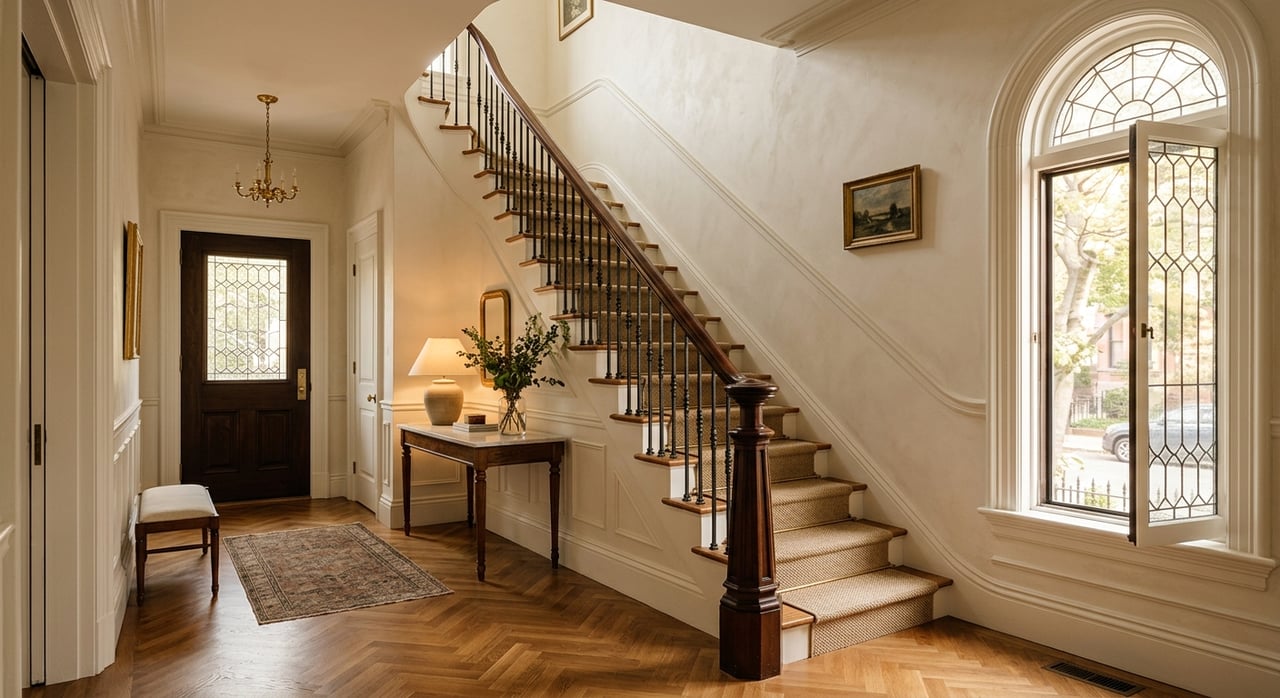
Thinking about trading Beacon Hill brick sidewalks for a little more breathing room on the South Shore? It can be an exciting next step, but it is rarely a simple one. When you move from a protected historic Boston property into a suburban or shoreline town, you are managing two major timelines at once: preparing a compliant sale and securing the right next home. This guide will help you plan that move with more clarity, fewer surprises, and a strategy that protects both your lifestyle goals and your investment. Let’s dive in.
Why this move takes extra coordination
A move from Beacon Hill to the South Shore is not just a change of address. It often means selling a home in one of Boston’s protected historic districts while buying in a town with a very different pace, housing stock, and commute pattern.
Boston identifies Beacon Hill as a protected historic district, and the district guidelines make clear that exterior changes visible from a public way need commission approval before work begins. That means pre-listing prep can take more time than many sellers expect, especially if you were hoping to make visible exterior updates before going to market.
At the same time, Massachusetts closings are attorney-led and document-heavy. The purchase and sale agreement is legally binding, and final signing happens when the lender, seller, and attorneys align on the closing date. In practical terms, your sale and your purchase need to be planned together from the start.
Start with Beacon Hill sale prep
If you are selling in Beacon Hill, the smartest first step is to separate cosmetic goals from compliance needs. Interior presentation is one track. Exterior work is another.
Know the historic district rules
For exterior work in Beacon Hill, approval timing matters. Boston’s guidelines say owners should not begin work until the commission has confirmed approval, and they emphasize preserving original or historically significant materials whenever possible.
If replacement is necessary, visible qualities should match the original materials. So if you are thinking about exterior repairs, repainting, or changes visible from the street, build in extra lead time before your listing launch.
Focus staging on interior presentation
In many moves like this, staging works best when it highlights light, flow, and historic character rather than trying to reinvent the property. Clean presentation, thoughtful editing, and strong photography can do a lot of the heavy lifting.
That approach is especially useful in Beacon Hill, where visible exterior changes may require approvals. In other words, your most efficient pre-listing wins may come from presentation, not alteration.
Review lead paint requirements early
Lead-related compliance is a major part of selling older housing stock in Massachusetts. For homes built before 1978, Property Transfer Lead Paint Notification is required before a purchase agreement is signed.
The Massachusetts Department of Public Health updated the notification documents in April 2026. If your home falls into this category, make sure you are working from current forms and not relying on older templates.
You can also search the state’s lead-history records to see whether inspection or compliance records already exist for the property. That early step can save time during due diligence and help reduce late-stage surprises.
Check your disclosure history
Massachusetts seller disclosure rules are narrower than in some states, but that does not mean you should wait until the last minute to review your file. State guidance says that if a prior sale was terminated because of inspection issues, that history must be disclosed to later buyers.
For that reason, it is wise to review prior transaction details, repair records, and any relevant inspection history before your home goes live. A clean, organized file supports a smoother and more confident launch.
Keep the South Shore search active
While your Beacon Hill property is being prepared, your South Shore home search should stay active. This is where strategy matters most. The goal is to understand which town best fits your next chapter before your sale enters a more binding phase.
The South Shore is not one uniform destination. Hingham, Milton, and Cohasset each offer a different mix of access, services, and day-to-day feel.
Compare South Shore town profiles
Hingham for commute flexibility
Hingham stands out for buyers who want more space without giving up practical access to Boston. According to the town, it offers direct access via Route 3, MBTA commuter rail, and MBTA ferry service.
The town also lists four elementary schools, a middle school, and a high school on its official school information pages. For many movers coming from Beacon Hill, Hingham becomes a strong option when commute flexibility is high on the priority list.
Milton for close-in suburban access
Milton can appeal to buyers who want a suburban setting with transit connections that still feel close to the city. The town states that its public-school system includes six schools, and it notes planning tied to station rehabilitation along the Red Line trolley service.
That makes Milton a useful option for buyers who want a different pace than Beacon Hill without moving as far down the South Shore. It often fits people who want a suburban feel while keeping city access in the conversation.
Cohasset for shoreline living
Cohasset should be understood a little differently. Its municipal information highlights town services such as the Harbormaster, schools, planning, and public works, which supports a shoreline-community framing more than a commute-first one.
If your move is about lifestyle as much as square footage, Cohasset may be worth a closer look. The appeal here is often tied to local setting, coastal character, and village-oriented living rather than the broadest range of transit options.
Build a realistic Massachusetts timeline
One of the biggest mistakes in a city-to-suburbs move is treating timing as fixed too early. In Massachusetts, that usually creates stress because the closing calendar depends on attorneys, lender progress, and document readiness.
Treat the closing date as a milestone
Massachusetts guidance makes clear that the purchase and sale agreement is legally binding and should be reviewed by an attorney. Closing documents are signed when the lender, seller, and attorneys agree on the date.
That means your closing date is not just a preference on a calendar. It is a negotiated milestone that should reflect financing progress, legal review, and the practical realities of your move.
Let underwriting shape the schedule
Loan timing matters on the buy side. After application, borrowers receive loan disclosures, and the transaction is not truly ready to close until the lender issues clear to close.
This is why flexibility matters. If you are selling in Beacon Hill and buying on the South Shore, your plan should allow room for lender timelines rather than assuming everything will line up perfectly from day one.
Prepare for tax and filing details
Higher-value Beacon Hill sales can come with important closing details. Massachusetts lists the deeds excise at $2.28 per $500 of consideration.
The Department of Revenue also states that for sales of $1 million or more, the withholding agent, usually the closing attorney or title company, must file a return within 10 days of closing. For many Beacon Hill sellers, this is one more reason to keep documentation and timing organized early.
Remember vehicle logistics too
Your move affects more than your home address. Massachusetts motor vehicle excise is billed by the community where the vehicle is usually garaged.
So if you are moving from Boston to a South Shore town, your vehicle-related billing may shift as well. It is a small detail, but it is one of those practical items that can easily get missed during a busy transition.
A smart planning sequence to follow
When this move is handled well, it usually follows a disciplined order. That helps you protect your listing timeline while staying ready for the right purchase opportunity.
Step 1: Handle Beacon Hill compliance first
Start by identifying any exterior issues that may trigger historic district review. At the same time, gather lead paint records, current notification forms if the property was built before 1978, and prior transaction history that may affect disclosures.
Step 2: Prepare the listing around presentation
Once compliance questions are clear, focus on the parts of launch prep you can control. That may include decluttering, staging, photography planning, and a clear go-to-market schedule.
Step 3: Narrow your South Shore target towns
Use the pre-listing window to compare towns based on what matters most to you now. For some buyers, that is commute access. For others, it is shoreline setting, local services, or a different housing style.
Step 4: Coordinate attorneys and lender early
Because Massachusetts transactions are attorney-led, legal review should not be an afterthought. Bring in your attorney and lender conversations early enough that timelines stay realistic on both sides of the move.
Step 5: Leave room for the final details
Taxes, filings, mover scheduling, utility changes, and vehicle garaging updates all matter. The more valuable the property and the more moving parts involved, the more important it is to build in a buffer.
Why strategy matters in this move
A Beacon Hill to South Shore move often carries both emotional and financial weight. You may be leaving a home with real architectural character and city convenience, while trying to gain space, privacy, or a different daily rhythm.
That is why the process works best when it is treated as more than a simple sale and purchase. A thoughtful plan helps you protect the value of your Beacon Hill property, stay compliant with local and state requirements, and choose a South Shore town that truly aligns with how you want to live next.
If you are planning a move from Beacon Hill to Hingham, Milton, Cohasset, or another South Shore town, a calm and precise strategy can make all the difference. For discreet guidance that balances timing, lifestyle, and long-term value, schedule a private consultation with Katie Norton.
FAQs
What makes selling a Beacon Hill home different from selling in other Boston areas?
- Beacon Hill is a protected historic district, and exterior changes visible from a public way may need commission approval before work begins.
What lead paint steps matter when selling an older Beacon Hill property?
- If the home was built before 1978, Massachusetts requires Property Transfer Lead Paint Notification before a purchase agreement is signed, and sellers should use current state forms.
What should buyers know about Massachusetts closing timelines for a Beacon Hill to South Shore move?
- Massachusetts closings are attorney-led, the purchase and sale agreement is legally binding, and final timing depends on attorneys, the seller, and lender readiness.
How do Hingham, Milton, and Cohasset differ for South Shore buyers?
- Hingham is often framed around commute options, Milton offers a close-in suburban feel with transit context, and Cohasset is more associated with shoreline and village-oriented living.
What tax detail matters in a higher-value Beacon Hill home sale?
- Massachusetts lists deeds excise at $2.28 per $500 of consideration, and sales of $1 million or more may trigger additional filing steps by the withholding agent after closing.
What small moving detail do Beacon Hill sellers often overlook when relocating to the South Shore?
- Massachusetts motor vehicle excise is billed by the community where the vehicle is usually garaged, so that billing location may change after your move.