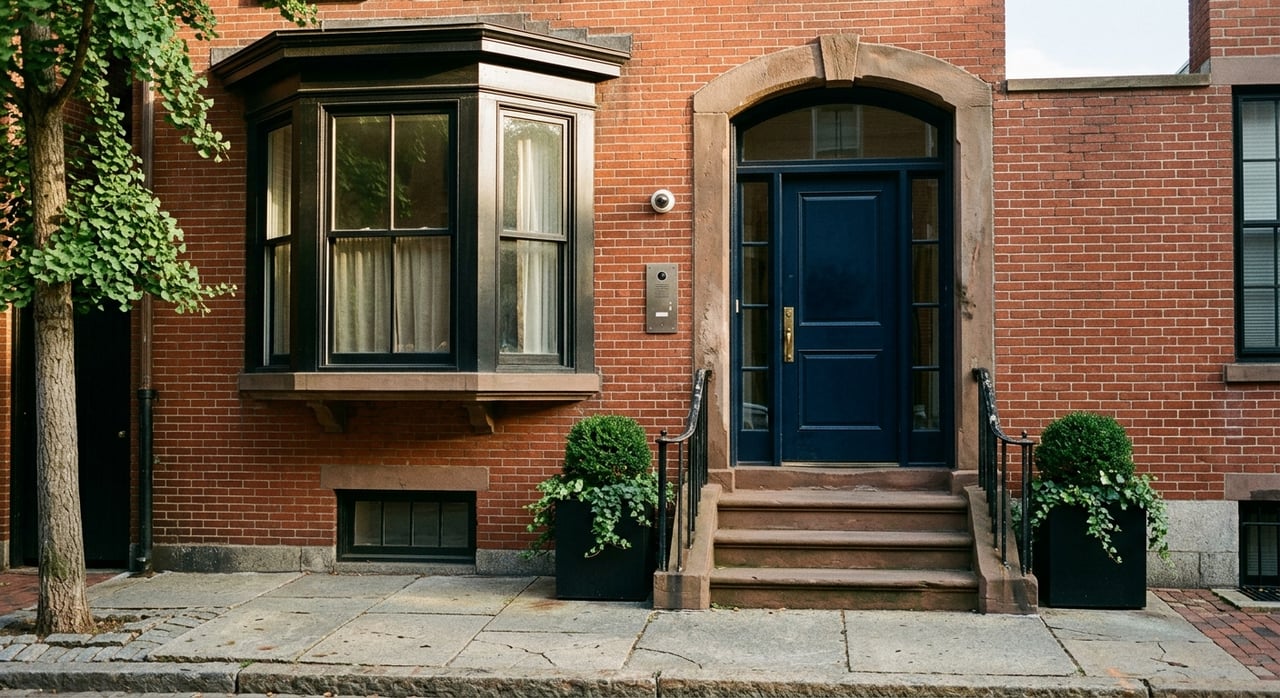
Buying a condo in Back Bay can look straightforward at first glance, but this is one of those Boston neighborhoods where the details matter more than they seem. You may be choosing between historic charm, building convenience, parking reality, and future renovation limits all at once. If you want to protect both your lifestyle and your investment, it helps to know what deserves a closer look before you make an offer. Let’s dive in.
Why Back Bay condos require extra diligence
Back Bay stands apart because it is a protected historic district, and Boston describes the neighborhood as a place where blocks reflect changing architectural styles from the mid-19th through early-20th centuries. That means your options may vary widely, even on the same street.
In practical terms, many buyers end up comparing two very different condo experiences. One may be a smaller unit in a converted brownstone or row house, while another may be in a larger building with more shared systems and services. Both can be appealing, but they come with different responsibilities, costs, and decision points.
The appeal of Back Bay is obvious. You get architecture, location, and a neighborhood feel that is hard to replicate elsewhere in Boston. The tradeoff is that ownership often comes with less flexibility, especially when exterior maintenance or future updates fall under district review.
Compare building type carefully
Historic conversions
A condo in a historic conversion can offer character that many buyers specifically want in Back Bay. Original materials, facade details, and the scale of classic row houses often create a very different living experience than newer construction.
That said, buyers should look closely at windows, masonry, roof details, and exterior finishes. In Back Bay, these elements are not just aesthetic. They can affect maintenance costs, approval timelines, and the scope of what can be changed later.
Larger condo buildings
Larger buildings may place more responsibility into shared systems and association management. That can simplify day-to-day ownership for some buyers, but it also makes the financial health of the condo association especially important.
In these buildings, the monthly condo fee should be evaluated alongside the asking price, not after it. A higher fee may reflect stronger services or more consistent reserve funding, while a lower fee is not always the better long-term value.
Look beyond the monthly condo fee
One of the most important Back Bay buying decisions has nothing to do with finishes or floor plan. It is understanding the true monthly cost of ownership.
Condo dues are usually paid directly to the association, not to your mortgage servicer, and they can range from a few hundred dollars per month to more than $1,000. In Back Bay, where building age and service levels vary widely, the key question is not just how much the fee is. The real question is what the fee covers and whether it reflects solid long-term planning.
Massachusetts law requires condominiums to maintain an adequate replacement reserve fund. Those reserves are collected as part of common expenses and kept separate from operating funds. For you as a buyer, that makes reserve funding one of the clearest signals of how a building is being managed.
If reserves are thin, owners may face future special assessments when major repairs come due. That is why a lower monthly fee can sometimes mask higher risk.
Questions to ask about condo finances
- What does the monthly fee cover, and what costs are separate?
- How much is being allocated to reserves?
- When was the last reserve study or capital plan reviewed?
- Have there been recent or pending special assessments?
- What repairs or projects triggered those assessments?
Review the right condo documents early
In Massachusetts, condo due diligence goes far beyond a quick look at the listing sheet. Buyers should request key documents early and have them reviewed by an attorney experienced in real estate and condominium law.
The most important documents typically include the master deed, bylaws, rules and regulations, budget, reserve study, meeting minutes, certificate of insurance, and any records of special assessments or pending litigation. These materials can reveal how the building is run, where money is going, and whether there are restrictions that may affect your future plans.
This matters even more in Back Bay because many buyers are balancing current use with future flexibility. If you may rent the unit later, make renovations, or simply want fewer ownership surprises, the condo documents often hold the answers.
Key issues hidden in condo documents
- Rental restrictions
- Owner-occupancy rules
- Transfer restrictions, including any right of first refusal
- Pending litigation
- Budget pressure or reserve concerns
- Recurring maintenance issues discussed in meeting minutes
Parking can change the value equation
In Back Bay, parking is not just a convenience. It can meaningfully shape your day-to-day experience.
Boston’s resident parking program gives residents preferential access to on-street spaces, and the city says the vast majority of restricted spaces are reserved for residents. In 2024, the city also made curb changes in Back Bay that removed 125 meters and converted most of those spaces to resident permit parking.
That makes parking one of the first things to verify, not one of the last. A deeded space, garage access, or a clear resident-permit strategy can have real practical value, especially if you use your car regularly.
Parking questions to answer before making an offer
- Is the parking deeded, assigned, rented, shared, or dependent on street permits?
- Does the address qualify for a resident parking permit?
- Are there nearby visitor-zone limits that could affect guests?
- If there is no on-site parking, what is the backup plan in winter?
Boston’s snow emergency guidance also lists garages that may offer discounted parking for Back Bay residents during snow emergencies. Those discounts generally require proof of residency or a resident parking permit, so this is worth confirming if your building does not include parking.
Understand renovation limits before you buy
If you are buying in Back Bay with plans to make changes later, it is important to reset expectations early. This is not a neighborhood where you should assume exterior work can be handled casually or quickly.
Boston states that all proposed exterior work in the Back Bay Architectural District must be approved by the Back Bay Architectural Commission before work begins. The city also advises applicants not to start work or buy materials until approval is in place.
For many buyers, this becomes most relevant with windows and facade work. The residential guidelines discourage altering historic window openings, changing significant facade features, and using many replacement window materials that do not match the historic character. Brownstone repair, masonry cleaning, repointing, skylights, roof decks, and roof access structures may also face close review.
There is one helpful point of flexibility. Interior storm windows are encouraged and are not subject to commission review.
Permits and approvals to keep in mind
Beyond district review, Boston permitting rules may apply as well. For a multi-unit condo, window installation or replacement requires a contractor, and creating a new window or enlarging an opening requires a long-form permit.
This is why renovation questions should be part of your purchase decision, not something you sort out after closing. If future flexibility matters to you, ask early what the association allows, what the district may review, and what city permits may be required.
A practical Back Bay buyer checklist
If you want a simple way to pressure-test a condo before moving forward, focus on these five areas:
- Confirm exactly what parking rights come with the unit
- Review the master deed, bylaws, budget, reserve study, minutes, insurance certificate, and any assessment history
- Ask what exterior changes require Back Bay Architectural Commission approval
- Verify whether reserves appear strong or whether future assessments may be likely
- Check for rental, occupancy, or transfer restrictions that could affect future plans
Each of these points helps you do the same thing: protect your investment while making sure the property still fits your lifestyle.
Balancing charm, cost, and flexibility
The right Back Bay condo is rarely just about square footage or finishes. It is about how the unit, the building, and the neighborhood work together for the way you actually live.
A beautiful historic home may come with more exterior constraints. A larger building may offer easier day-to-day ownership but require closer financial review. A lower fee may not be the better value if reserves are weak, and a well-located unit may feel very different depending on how parking works.
That is why a disciplined buying process matters so much here. When you understand the building type, association health, parking setup, and renovation limits before you commit, you can move forward with more confidence and fewer surprises.
If you are considering a condo purchase in Back Bay and want a strategic, discreet approach to evaluating the options, Katie Norton can help you weigh the details that protect both your lifestyle and your long-term investment.
FAQs
What makes buying a Back Bay condo different from buying elsewhere in Boston?
- Back Bay condos often involve historic buildings, stricter exterior review rules, and wider differences between brownstone conversions and larger managed buildings.
What condo documents should you review before buying in Back Bay?
- You should review the master deed, bylaws, rules and regulations, budget, reserve study, meeting minutes, insurance certificate, and any records of special assessments or pending litigation.
Why do condo reserves matter when buying a Back Bay condo?
- Massachusetts requires condominiums to maintain an adequate replacement reserve fund, and stronger reserves can reduce the chance of future special assessments for major repairs.
What should you know about parking when buying a Back Bay condo?
- You should confirm whether parking is deeded, assigned, rented, shared, or dependent on resident street permits, and you should also understand the winter backup plan if no on-site parking is included.
Can you replace windows or make exterior changes to a Back Bay condo building?
- Exterior work in the Back Bay Architectural District generally requires approval before work begins, and some window, facade, roof, and masonry changes may also require Boston permits.
Are monthly condo fees in Back Bay included in your mortgage payment?
- Condo fees are usually paid directly to the association, not to your mortgage servicer, so you should budget for them separately and understand exactly what they cover.