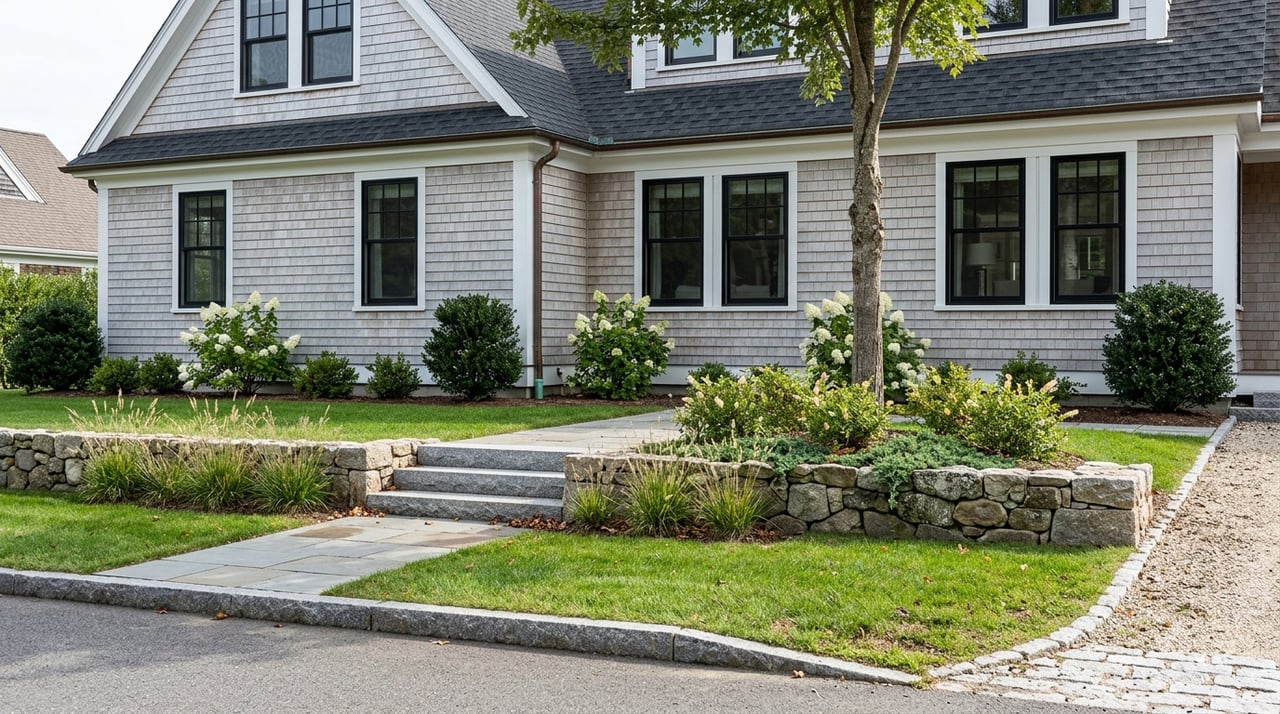
If you are exploring Cohasset, one question matters quickly: which part of town fits the way you actually want to live? In a coastal market, the right choice is rarely just about square footage or style. It is also about walkability, water access, privacy, daily convenience, and how each area supports your long-term lifestyle and investment goals. Let’s dive in.
How to Think About Cohasset
Cohasset is best understood as a set of broad lifestyle zones rather than a long list of formal neighborhoods. According to the town, this compact coastal community covers about nine square miles and includes a shoreline-oriented east side and more open-space-focused western areas, with beaches, coves, harbor frontage, conservation land, and access to larger wooded areas such as Wompatuck State Park and nearby open space.
That framework shows up in local planning documents too. Instead of rigid neighborhood boundaries, town materials consistently focus on four key areas: the Village/Common, the Harbor, the Route 3A corridor, and quieter coastal or western residential pockets, as outlined in the town’s planning and transportation materials.
For buyers, this is helpful because it gives you a clearer way to compare options. If you are deciding between convenience, maritime activity, commuter access, or a more tucked-away setting, these four zones provide a practical lens.
What the Housing Mix Feels Like
Cohasset has a distinctly residential feel, and the housing stock reflects that. The town’s housing plan reports that 73.9% of housing units are single-family homes and about 80% are owner-occupied, which helps explain why the community feels lower-density and more private than some other South Shore towns, according to the Cohasset Housing Production Plan.
At the same time, more mixed-use or denser housing is generally concentrated in a few strategic areas rather than spread evenly across town. The Village, Harbor, and northern Route 3A corridor are the places local planning documents identify as more suitable for future housing because of their walkability, retail access, and connection to the commuter rail.
That means your experience of Cohasset can vary quite a bit depending on where you search. One area may feel historic and pedestrian-oriented, while another may feel more car-dependent, coastal, or private.
Village and Common: Walkable Town Center
If you want a part of Cohasset that feels connected to day-to-day town life, the Village and Common are a natural starting point. Planning materials place the Village Center around the Town Common, Elm Street, Brook Street, and the commuter rail tracks, and describe it as the hub where shops, services, and restaurants cluster in a more walkable setting, according to the Village Center planning overview.
The Common also carries historic significance. The town notes that it is both a local historic district and a National Register historic district, and the area’s design guidance emphasizes pedestrian circulation, traditional setbacks, rooflines, and compatible building materials, as outlined by the Historical Commission and District Commission.
In practical terms, this part of town often appeals to buyers who value character, a traditional New England setting, and easier access to everyday errands or local destinations. It may be especially relevant if you want a more civic, central feel rather than a larger-lot, more secluded setting.
Best fit for the Village
You may want to focus on the Village/Common area if you are looking for:
- Walkability to local shops, services, and restaurants
- A more historic and classically New England setting
- Closer connection to the town center and civic activity
- Housing near one of Cohasset’s more pedestrian-oriented areas
Harbor Area: Maritime Energy and Shoreline Access
Just east of the Village, the Harbor offers Cohasset’s most distinctly maritime environment. The town describes Cohasset Harbor as a working and recreational waterfront with a long maritime history, an active lobster fishing fleet, sailing, boating, kayaking, paddle boarding, public docks, a boat ramp, kayak docks, marina facilities, and waterfront clubs.
This is also one of the areas where shoreline recreation shapes daily life. The town identifies Sandy Beach, Black Rock Beach, and Bassings Beach as key public beach resources, with Sandy Beach noted as the most popular swimming beach. A practical detail worth knowing is that town beaches require an All Facilities permit sticker.
The Harbor tends to feel more active and destination-oriented than some of the quieter residential pockets. Planning materials also note that the Harbor overlay encourages a mix of uses, including multifamily residential, to support waterfront activity, public access, and commercial energy.
Best fit for the Harbor
The Harbor may be the right fit if your priorities include:
- Proximity to boating, marinas, and shoreline recreation
- Easy access to beach areas and waterfront activity
- A scenic setting with a more active coastal feel
- Close connection to both the Harbor and Village areas
Route 3A: Convenience and Commuter Access
For many buyers, the question is less about atmosphere and more about daily logistics. Route 3A is Cohasset’s main north-south arterial, and town planning documents describe it as a central corridor for movement through town, with different character depending on where you are along it, based on the Complete Streets planning report.
The northern Route 3A corridor is identified as especially well suited to mixed-use housing because it is closer to the commuter rail station and retail amenities. The southern stretch functions more as a services corridor, with supermarkets, gas stations, auto services, and some multifamily housing.
If Boston access matters, this area deserves attention. The town’s housing plan highlights the MBTA Greenbush Line and Cohasset Station as an important link for getting into Boston, making this corridor practical for buyers balancing South Shore living with a city commute.
Best fit for Route 3A
This part of town may make sense if you want:
- Easier access to commuter routes and the rail station
- Proximity to everyday retail and service stops
- A more convenience-driven home search
- A location that supports regular Boston travel
Coastal and Western Pockets: Privacy and Open Space
If your priority is a more tucked-away setting, Cohasset’s coastal and western edges may stand out. Town planning documents point to areas such as Little Harbor, the southernmost parts of town, and the west side near Wompatuck as some of the quieter residential pockets, with lower suitability for new development due to distance from rail access, wetlands, flood-prone areas, and conservation constraints, according to the Housing Production Plan.
This matters because it helps explain why these areas can feel more private and spread out. The same housing plan notes that almost half of Cohasset’s land is open space, reinforcing the sense that some parts of town are defined as much by land conservation and natural surroundings as by housing.
For buyers who are moving from a denser Boston setting, these pockets can offer a very different rhythm. You may trade some walkability for more separation, more natural buffer, and a quieter feel.
Best fit for coastal and western areas
You may be drawn to these areas if you are looking for:
- More privacy and a lower-density setting
- Larger-lot surroundings in some locations
- Access to open space and natural landscape
- A quieter, more residential pace
A Simple Way to Compare Areas
If you want a quick decision framework, think about Cohasset this way:
| Area | What It’s Known For | Often Appeals To Buyers Seeking |
|---|---|---|
| Village/Common | Walkability, historic character, town center access | Daily convenience, local character, civic connection |
| Harbor | Boating, beaches, maritime activity | Waterfront lifestyle, recreation, scenic energy |
| Route 3A | Rail access, services, convenience | Commuting ease, practical day-to-day access |
| Coastal/Western Pockets | Privacy, open space, quieter setting | Seclusion, natural surroundings, lower-density living |
This is not an official neighborhood map. It is a practical summary based on how the town’s planning, zoning, and shoreline-access materials describe Cohasset’s major areas.
What to Consider Before You Buy
In a town like Cohasset, the right move often comes down to matching location with lifestyle. A home near the Village may support walkability and convenience. A Harbor-area home may align better if shoreline access and maritime activity are central to how you want to spend your time.
It is also worth remembering that local conditions shape inventory and development patterns. Wetlands, flood-prone areas, conservation land, and open-space protections all influence where housing is concentrated and where the town remains more low-density.
That is why neighborhood guidance matters here. Buying well is not just about finding a beautiful home. It is about choosing the part of town that protects your investment and supports the life you want to build.
If you are considering a move to Cohasset and want a strategic, local perspective on which area best aligns with your goals, Katie Norton can help you evaluate the options with clarity, discretion, and a plan tailored to both lifestyle and long-term value.
FAQs
What are the main neighborhood areas to know in Cohasset?
- The most practical way to understand Cohasset is through four broad zones: the Village/Common, the Harbor, the Route 3A corridor, and the quieter coastal or western residential pockets.
What is the Village area in Cohasset like?
- The Village is Cohasset’s walkable mixed-use core, centered around the Common, with shops, services, restaurants, and a strong historic character.
What is the Harbor area in Cohasset known for?
- The Harbor is known for boating, marinas, shoreline recreation, public docks, and access to beaches such as Sandy Beach and Black Rock Beach.
Is Cohasset a good option for Boston commuters?
- Cohasset offers Boston access through Route 3A and the MBTA Greenbush Line via Cohasset Station, with the northern Route 3A area especially relevant for commuters.
Where can you find quieter residential areas in Cohasset?
- Quieter residential pockets are generally found around Little Harbor, the southern edges of town, and the western side near Wompatuck State Park and other open-space areas.